
Expert Freight Solutions for SMEs
Get your move estimate in 60 seconds. Fixed pricing. No hidden costs.
You need industrial equipment, supplies or automotive components delivered reliably, not another logistics headache competing for your attention. We can coordinate every critical step, supplier pickup, customs brokerage, compliance, and last-mile delivery. Translating complex international shipping into predictable, transparent supply chain operations.
A clear process
How it works
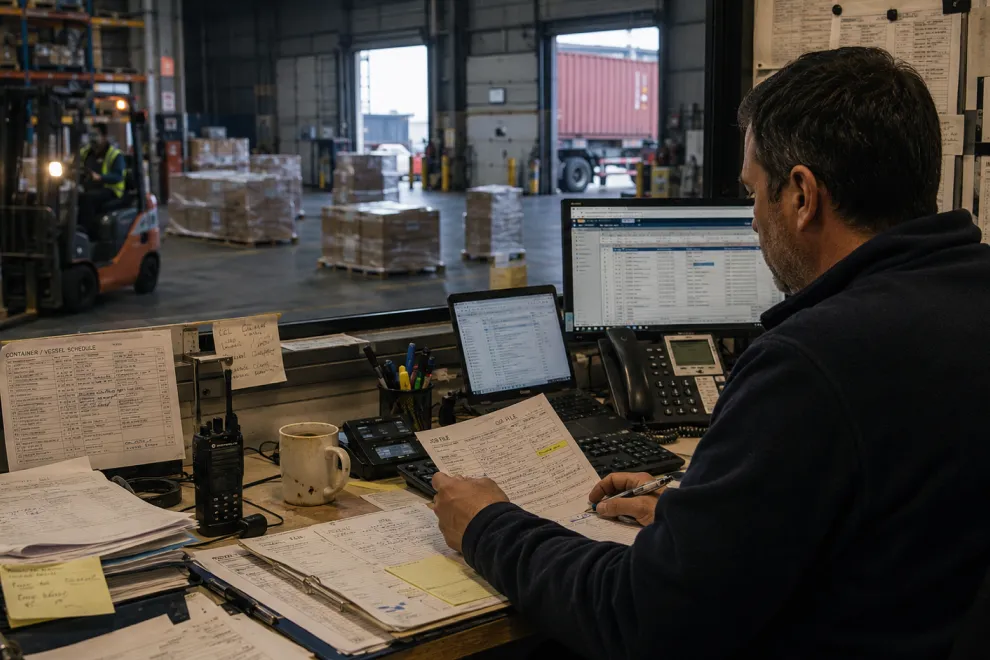
Managing international freight means juggling timelines, documentation, biosafety requirements, and carrier coordination. We simplify this with a single point of contact who tracks every shipment, anticipates delays before they impact your production schedule, and answers your calls directly. The most common mistakes Australian importers make — misclassified goods, missed compliance deadlines, and inconsistent documentation — are often preventable with consistent coordination. For importers considering a change, switching freight forwarders comes down to timing, documentation handover, and keeping carrier relationships intact.
Responsive service
A dedicated Move Manager coordinates pickup, customs clearance, biosecurity compliance, and delivery. Keeping you updated and ensuring nothing slips through the cracks.
Flexible options
Choose sea or air freight for your imports, with LCL consolidated or FCL dedicated container options matched to your production schedule and budget.
Transparent pricing
Clear, all-in quotes cover documentation, customs clearance, biosecurity handling, and delivery, so you know exactly what's included and there are no surprise charges.
Our Door-to-door Process
Request a Quote
Tell us what you're importing and where from. Most SMEs receive a detailed, all-inclusive quote within 24 hours, no hidden fees, ready for action.
Get Connected
Your Move Manager will optimize your shipping route, advise on documentation, confirm biosecurity requirements, and find the right strategy for your business.
Finalise your Plan
You can focus on running your business. We'll manage the logistics to deliver your goods safely, on time and on budget.
Moving freight worldwide.
Swift Cargo Solutions specialises in SME import logistics. Moving critical stock internationally is more than a shipment; it's your production line and customer commitments on the line. We combine customs expertise with carrier partnerships like FedEx to protect your supply chain, ensuring predictable, transparent delivery that keeps your business moving.
Transparent, all-in pricing with zero hidden fees
Custom sea and air freight scaled to your production schedule
Rated 4.8 by Small & Medium Enterprises
Businesses worldwide trust Swift Cargo Solutions to protect their supply chains. Here are a few of their stories.
With you from order to delivery
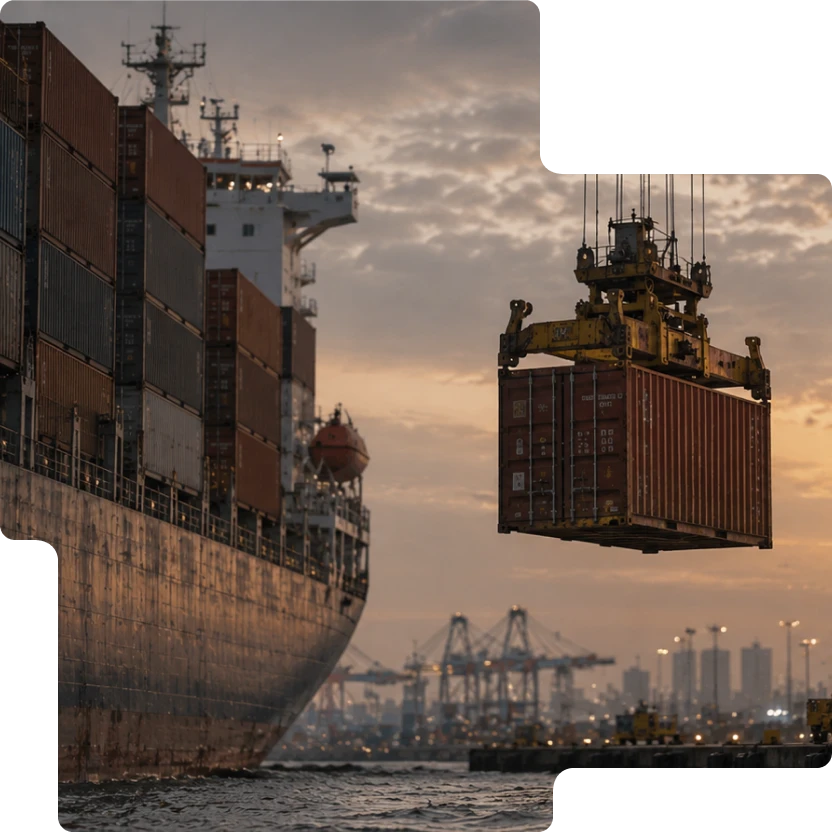
From supplier pickup to final delivery, your Move Manager stays with you. We use our partnerships and customs expertise to handle compliance and keep you informed until your inventory is in production.
Tracking Number
View real-time updates on your Swift Cargo shipment.
Home Relocations
Discover our door-to-door moving solutions for expatriates and families.
International Home Relocation FAQ's
We coordinate end-to-end international freight for business shipments—planning the route, selecting air orocean options, arranging pickup and delivery, managing shipping documents, and providing milestone visibility. You get one accountable partner from quote to delivery confirmation, plus proactive support when schedules change or documents need correction.
A carrier physically transports cargo (airline, ocean line, trucking provider). A freight forwarder organizes the movement across carriers and steps—booking capacity, preparing transport documents, coordinating handoffs, and resolving exceptions. This reduces operational load on your team and helps avoid delays caused by missing paperwork or misaligned responsibilities.
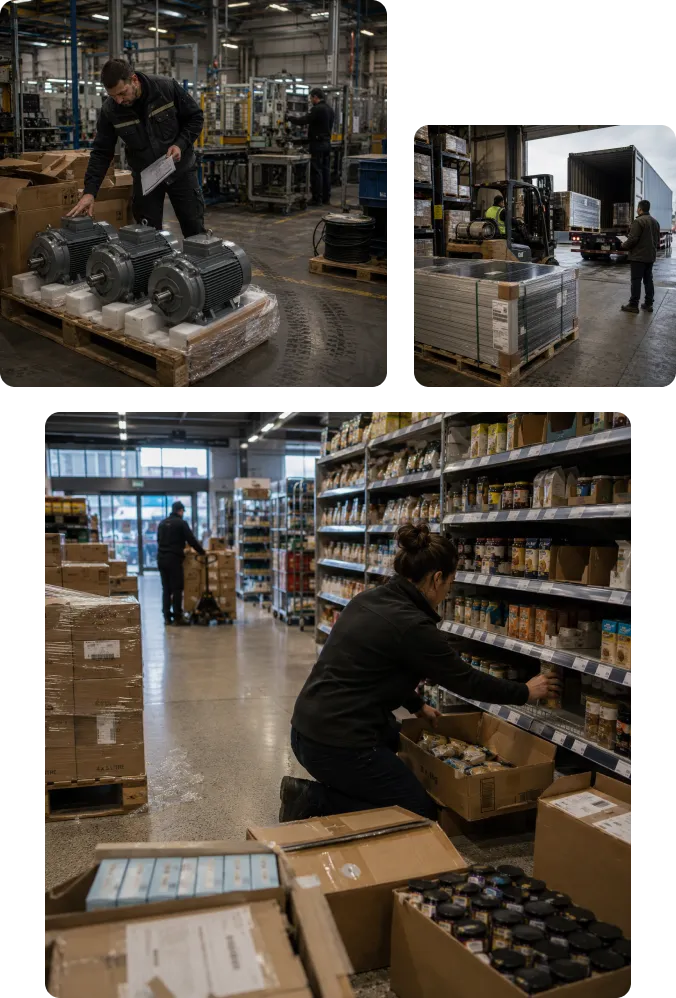
Air freight fits urgent, high-value, or smaller-volume shipments (common for critical automotive parts or essential medical equipment). Ocean freight fits larger volumes and cost efficiency (common for industrial and water treatment equipment). Your best choice depends on timeline, shipment size (weight/CBM), handling needs, and how much schedule buffer your operations can tolerate.
LCL (Less-than-Container Load) shares container space and is typically best for smaller volumes where cost efficiency matters. FCL (Full-Container Load) uses a dedicated container and is typically best for larger volumes, better control, and fewer handling points. For engineered goods such as industrial skids and fragile components, fewer touches can reduce risk.
We typically need origin/destination, cargo description, dimensions/weight (or estimated CBM), ready date, and whether you need door-to-door service. If you know the Incoterm used in your purchase contract, include it. Incoterms clarify responsibilities and can materially affect what should be included in a quote.
Invoices can change when actual weight/volume differs from estimates, routing changes, or carrier and local surcharges apply. Transparent quoting means separating base freight from common surcharges and local handling so changes are predictable, not surprising. Major carriers list surcharge categories such as OHC/DHC and BAF/PSS/LSS, and your quote should disclose these as variables.
Most shipments require a commercial invoice, packing list, and a transport document (air waybill or bill of lading). You will also need data to support classification and clearance, often including HS codes and Incoterms references. Strong documentation discipline reduces preventable holds and rework, especially for specialized equipment shipments.
HS (Harmonized System) codes classify traded goods under a global nomenclature governed by the WCO Harmonized System Convention. HS classification affects customs data requirements and downstream clearance processes. Swift Cargo Solutions can help surface the HS-code workflow, but consistent product classification should be maintained by your team and suppliers.
Incoterms are ICC-published trade terms that define which party handles key tasks, costs, and risks in a sale contract, such as who arranges main carriage, insurance, and import formalities. Selecting and documenting the right Incoterm helps prevent cost disputes, handoff confusion, and surprise responsibility during shipping.
VGM (Verified Gross Mass) is the verified weight of a packed container required under SOLAS amendments. The shipper is responsible for obtaining and documenting VGM, and containers without VGM can face contingencies. For container moves, ensure your packing and weighing process supports timely VGM submission.
Often yes, but acceptability depends on battery type, configuration (installed vs standalone), packaging, labeling, documentation, and carrier rules. For air transport, lithium battery shipments should be reviewed before booking. Swift Cargo Solutions focuses on batteries installed in products, not loose dangerous-goods batteries.
We prioritize predictable delivery and damage prevention by selecting air vs ocean based on event or production deadlines, using proper packaging for high-value parts, and ensuring documentation completeness for smooth handoffs. For repeat SKUs, we recommend standardizing packing specs and shipment templates to reduce delays and quote variance across monthly or quarterly cycles.
We focus on cargo that can be containerized or palletized for standard freight networks, with secure bracing and clear packing lists. For heavy or irregular equipment, we align the load plan, container type (LCL/FCL), and documentation early to avoid rework. If the shipment requires containerization and VGM, we plan the weigh and submit workflow in advance.
Yes, for non-perishable medical supplies and equipment that fit standard commercial freight handling. We emphasize protective packaging, labeling, and documentation completeness to avoid preventable delays. If a shipment requires temperature control or refrigerated handling, it may fall outside our standard service scope, so confirm requirements before quoting.
To maintain safety and consistent service quality, we do not accept chemicals, flammables, and other dangerous goods, food, perishables and refrigerated products, personal effects and used furniture, cars, trucks, large boats, or goods that cannot be containerized for standard freight networks. Batteries installed in products may be acceptable subject to review.