
Shipping Household Goods to the USA.
Swift Cargo is rated 4.87 by 25k+ customers.
Planning a move to the USA?
Moving to the USA: customs, costs, shipping times & duty-free
Applies to people shipping their own used household goods and personal effects to the USA as unaccompanied goods.
For unaccompanied household goods, CBP commonly requires CBP Form 3299, a transport document (Bill of Lading or Air Waybill), and a clear packing list or inventory.
Inspections are item specific. Goods that could involve agriculture or health controls may be reviewed by CBP and, where relevant, agencies like USDA/APHIS or the CDC.
Duty and tax outcomes depend on eligibility and entry type. Low value shipment treatment can change with policy, so confirm the correct approach for your shipment at booking.
There is no single federal minimum shipment size for personal effects. Any minimum box count is a carrier or service rule, not a CBP requirement.
There are important things to know before you pack your boxes. From U.S. Customs and Border Protection (CBP) clearance to pet import health rules and vehicle compliance, successful relocation takes preparation and the right partner.
This page covers what you need to know before shipping your belongings to the USA: customs clearance, peak shipping periods, and the documentation commonly required. It also explains our door-to-door service, insurance options, and practical next steps.
Work relocations, family moves, and study-abroad placements: Swift Cargo and our local partners coordinate each stage of the move, packing, freight, customs, and final delivery, so the logistics stay in one place instead of spread across separate providers.
Our process
Fill out our standard application on our platform.
Request a Quote
Tell us your route and inventory. You get a clear plan, timeline, and cost upfront.
Get Connected
Your Move Manager builds the plan, checks documentation, and makes sure nothing is missed before shipment.
Finalise your Plan
We execute the move. Packing, shipping, customs, delivery. Everything runs to plan.
Peak months
Planning shipments around U.S. peak seasons can reduce delays and help control costs, especially for sea freight. Here is what many lanes look like through the year:
- July to October
The busiest window on most lanes: summer relocations peak alongside the commercial pre-holiday import rush, so ports get congested and rates can rise through late summer. Book early if your goods need to arrive in this period. - November to early January
Holiday operating constraints and local surges can increase congestion risk at ports, terminals, and inland trucking networks. Plan extra buffer time if you ship during this window. - Late January to May
Often a steadier period for many lanes after the holidays. Conditions still vary by trade lane, weather, and inspections, so confirm schedules early.
Customs
The USA have strict import compliance rules. Requirements can differ for household goods, personal effects, commercial cargo, vehicles, and pets, and more than one agency may be involved in the clearance process.
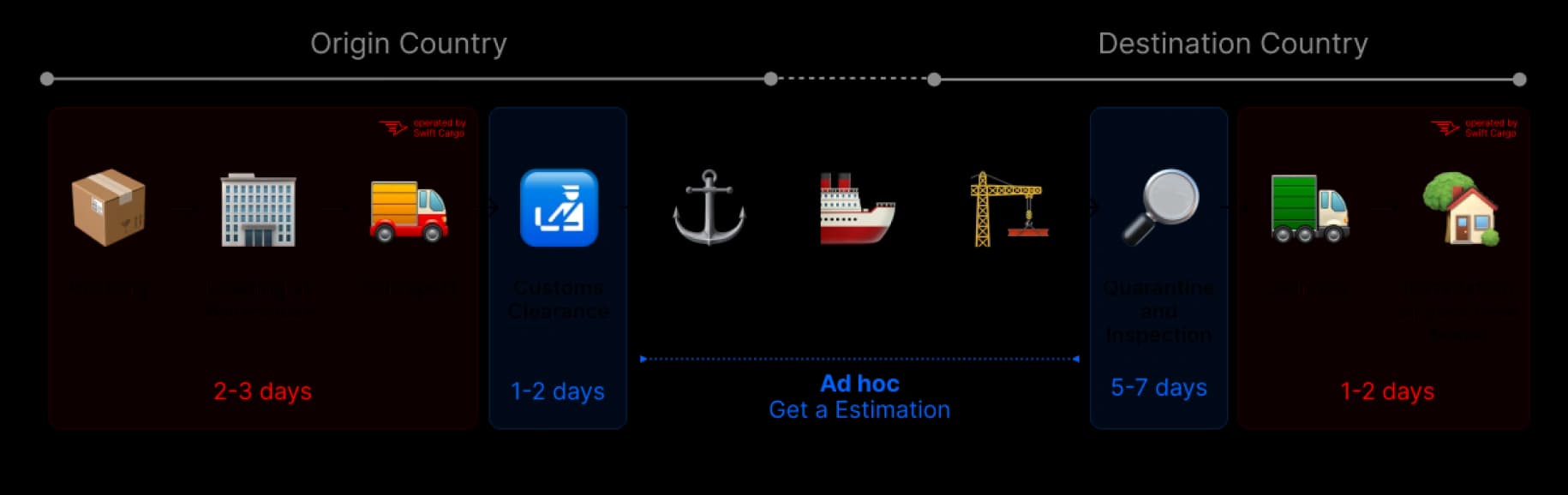
Documents you need for importing personal goods
To clear unaccompanied household goods or personal effects with CBP, you will commonly need:
- Ocean Bill of Lading or Air Waybill
- Completed CBP Form 3299 (Declaration for Free Entry of Unaccompanied Articles)
- Passport or government ID (identity match)
- Detailed inventory list, in English if possible
- Each package labelled with a list of contents, in English if possible
- Visa or residency evidence, if relevant to your situation
- Letter of Authorization or Power of Attorney, if you use a customs broker
- Full name and delivery address in the USA
Inspections and delays
In the US, inspections are typically item specific. CBP enforces border controls and may coordinate with agencies such as USDA/APHIS for certain goods, and the CDC for dog import controls.
- Inspection and release timelines can vary by port of entry, shipment type, and whether any restricted items are identified.
- To reduce the risk of holds, pack clean items, use a clear inventory, and avoid including food, plants, or other regulated products unless you have confirmed requirements.
For sea freight travellers
If you are travelling to the USA with accompanying baggage, you may be asked to complete a customs declaration on arrival, depending on your situation.
What you can import to the USA

Personal belongings

Used clothing

Household appliances

Fragile items

High-value items

Large items & furniture

Excess luggage

Pets
Dogs need CDC form, microchip, 6+ months old

Vehicles
Must meet US standards or be 25+ years old
Restricted / prohibited goods

Drug Contraband

Explosives

Biohazard

Chemicals

Corrosives

Counterfeit Items

Ivory

Flammable Products

Firearms

Drugs

Fake Notes

Poison

Hazardous Materials

Plants, seeds & soil-related items
Soil banned; clean garden tools and bikes

Food, supplements & consumables
Must be declared on arrival
Minimum shipment size for the USA
For personal effects entering the USA, CBP focuses on entry type, documentation, and compliance. There is no single federal minimum box count set by CBP.
- Minimum shipment: Studio Apartment
This is the smallest shipment accepted for freight or relocation services to the USA.
- No maximum size limit
Swift Cargo can manage shipments of many sizes, from small personal moves to full household relocations, subject to routing and handling constraints.
These notes apply to shipments entering the USA.
Download the customs forms
- CBP Form 3299 (Declaration for Free Entry of Unaccompanied Articles): Form 3299 (US Customs and Border Protection)
- CBP Form 7501 (Entry Summary): Form 7501 (US Customs and Border Protection)
Contact U.S. Customs

Taxes and duties
Understanding U.S. import duties and taxes can help you avoid surprises during clearance. Outcomes depend on what you ship, how it is entered, and whether your goods qualify as personal effects.
General rules
- Used household goods and personal effects may qualify for duty free treatment under CBP conditions.
- Low value shipment treatment can change due to policy. Do not assume a fixed duty free threshold. Swift Cargo will advise the correct entry method and any duties at booking.
Exemptions
- Many used personal effects can be duty free, but some items such as alcohol or tobacco may still be controlled or taxed.
- Eligibility depends on CBP conditions and how the shipment is entered at the port of entry.
Official use entries
Some individuals or organisations may import goods without paying duties when items are for official use and the relevant conditions are met. This can include:
- Diplomatic missions
- Government employees
- Official administrative or humanitarian assignments with official documentation
To qualify, you must:
1. Contact CBP at your port of entry
2. Confirm any importer identifiers required
3. Provide supporting documents for exemption
This can apply to embassy staff, foreign aid workers, or volunteers on specific missions, depending on the entry and documentation.
Cargo insurance
Shipping goods across borders always comes with risk. Cargo insurance is strongly recommended when sending valuables to the USA, especially when routes include multiple handling points.
Why you need insurance
Moving cargo by sea or air can expose shipments to damage or loss. Insurance can help protect you against:
- Rough weather in transit
- Improper handling or storage
- Fumigation treatments
- Accidental loss or damage
What is covered
Coverage depends on your insurer and your declared value. Many policies include:
- Protection during transport
- Coverage for specific risks (for example fire, theft, moisture damage)
- Limitations and exclusions based on declared value
Review terms with your broker before you finalise.
How to get insured
You can arrange cargo insurance through:
- A general insurance company
- A specialist broker
- Your bank
- Swift Cargo's insurance options.
Note: Pricing is based on your declared shipment value and route.
Visa requirements for moving to the USA
If you plan to relocate to the USA, you will need an appropriate visa or immigration status. Visa categories can be confusing, and eligibility depends on your purpose of travel and personal situation. Use official U.S. government guidance to confirm what applies to you.
More detailed positioning
Most U.S. visas and statuses fall into these broad buckets:

Visitor visas
For short stays, tourism, or business visits
Work authorised routes
For temporary or long term work
Student visas
For study or training programs
Family routes
For joining relatives or spouses
Note: For a permanent move, a work authorised or family based pathway is often the most relevant starting point.
For detailed and up to date information, use official U.S. government visa resources.
List of shipping ports in the USA
Swift Cargo can route through major international gateways across the USA. Depending on your origin and destination, we can support sea freight and air freight options to common entry points listed below.
Ports and shipping methods
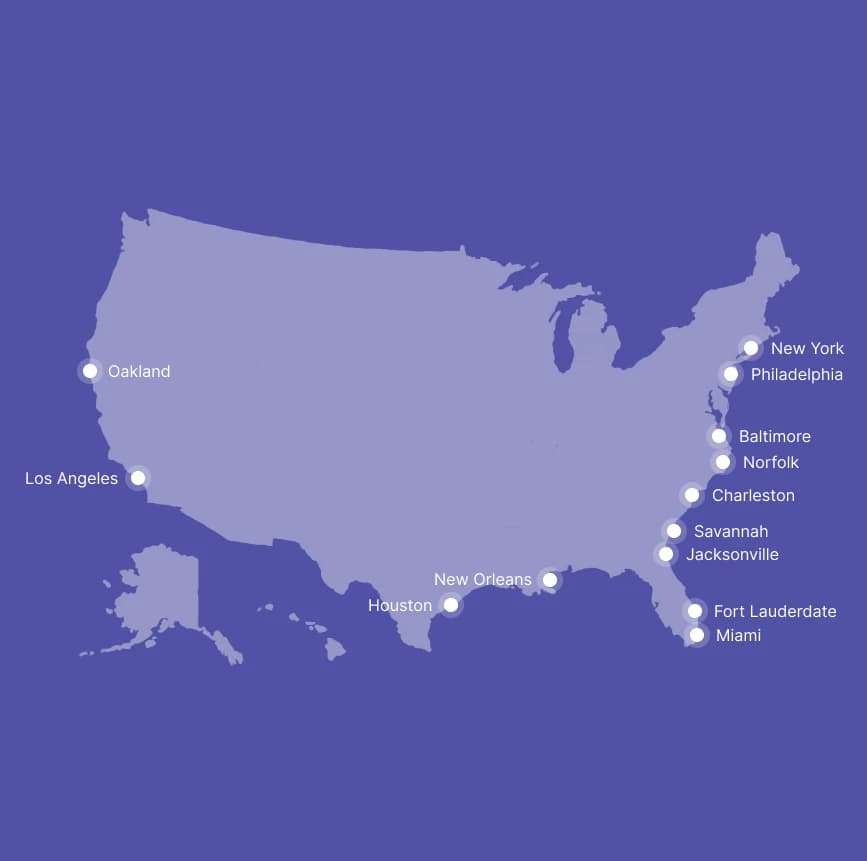
Ports and shipping methods
- Los Angeles / Long Beach – Sea freight and air freight available
- New York / New Jersey – Sea freight and air freight available
- Savannah – Sea freight and air freight available
- Houston – Sea freight and air freight available
- Virginia – Sea freight and air freight available
- Charleston – Sea freight and air freight available
- Oakland – Sea freight and air freight available
- Seattle / Tacoma – Sea freight and air freight available
Transit time by destination
| From | To | Est. transit time |
|---|---|---|
| London, United Kingdom | New York, United States | 10-14 days |
| Le Havre, France | New York, United States | 15-18 days |
| Sydney, Australia | Los Angeles, United States | 24-32 days |
| Cape Town, South Africa | New York, United States | 30-40 days |
| Shanghai, China | Los Angeles, United States | 18-22 days |
| Incheon (Seoul), South Korea | Los Angeles, United States | 18-24 days |
Door to door relocation service
Swift Cargo offers a full door to door moving service to the USA. From packing your goods to delivery at your new home, we coordinate each stage with clear documentation and careful handling.
1. Packing and loading.
We offer professional packing services to help keep your items protected during transport. Common packing materials include:
- Packing boxes
Available in different sizes, designed to handle common household items during international shipping. - Bubble wrap
Used for fragile items such as glassware, ceramics, and electronics to reduce breakage risk. - Wooden crates
Ideal for large or sensitive items. They add strength and protection, including extra support when handling and stacking.
Full Packing Service: Prefer not to pack yourself? Our team can pack a wide range of goods, including furniture and oversized items. Fill out the contact form and a consultant will arrange the right packing support.
2. Pickup
Our agents collect packed goods from your location or warehouse. Movements are tracked and documented so you can follow the shipment through key milestones.
3. Customs clearance
We coordinate the customs process for the USA. See the Customs section above for common documents and inspection considerations.
4. Delivery and unloading
Once your shipment arrives in the USA, we arrange delivery to your address. Our team unloads boxes at the agreed drop off point.
5. Unpacking and setup
We can also arrange unpacking support so you can settle in more quickly.
Support team
Swift Cargo assigns one specialist to your move and keeps them on it from the first quote through to delivery confirmation. That person handles your shipment directly instead of passing it between departments, so you are not re-explaining your situation each time you make contact.
Your specialist knows your inventory, your route, and your timeline. They prepare and check your documentation, coordinate customs clearance, and flag anything that needs your attention before it turns into a problem at the border or on delivery.
From pickup coordination through tracking, documentation, customs, and delivery confirmation, you deal with the same contact at every stage. When you need an answer, you write once and the person who replies already knows your shipment.
Talk to an agent now
Import your vehicle
Bringing a vehicle into the USA is possible, but it often involves CBP entry plus safety and emissions compliance with the relevant U.S. authorities.
What you need

What you need
- Import declarations – Confirm CBP entry plus DOT and EPA forms before arrival
- Key documents – Passport or ID, registration, Bill of Lading, purchase invoice, and required declarations
- Compliance – Vehicle must meet U.S. safety and emissions requirements
Costs to expect
- Import duty and taxes (varies)
- Processing and filing fees (varies)
- Possible additional charges based on vehicle type
Extra fees may apply for inspection, cleaning, or modifications.
We Can Help - Swift Cargo can coordinate paperwork, transport, and customs steps for vehicle shipments.
Import your pets
Pet import rules for the USA depend on species and can involve multiple agencies. CBP manages border entry, the CDC regulates dog importation to manage rabies risk, and USDA/APHIS provides pet travel guidance. State rules can also apply.

Key requirements
- Required documentation
Every dog needs a CDC Dog Import Form receipt (free, one per dog). For dogs that have only been in rabies-free or low-risk countries during the last 6 months, the receipt allows multiple entries from the same departure country for 6 months from issuance. For dogs that have been in a high-risk country during the last 6 months, the receipt is valid for one entry only; a new receipt is required for each subsequent entry, along with further rabies documentation. - Microchip & Vaccinations
Dogs must be at least 6 months old and carry a detectable microchip. Rabies vaccination requirements depend on whether the dog has been in a high-risk country in the last 6 months. - Health Records
You may need veterinary records and other documentation depending on origin and carrier requirements. - Arrival checks
There is no single federal quarantine rule for all pets, but inspections and additional steps can apply based on the animal, origin, and state rules.
Eligibility by origin country
Dog breed restrictions in the USA
The USA does not have a single federal list of banned dog breeds. Some states, counties, or cities may restrict certain breeds. Check local rules at your destination:
We Can Help - We can support paperwork, vet checks, and routing advice so your pet arrives safely and compliantly.
Rated 4.87 by customers
What Our Customers Say - USA Moves
About the U.S.
Shipping activity in the USA
The USA is a major global freight market with high volumes of sea and air cargo moving through its ports and airports every day.
National freight activity overview:
20k+
daily shipments coordinated on key lanes
88k+
container throughput at major gateways
12k+
weekly air cargo moved through hubs
USA cost of living
Cost of living in the USA varies widely by city and state, but many movers notice higher housing costs in major metro areas. For a national reference point, U.S. Census QuickFacts reports a median gross rent of US$ (USD) 1,348 for 2019 to 2023. Your actual rent can be much higher in high demand cities, and lower in smaller markets.
Utilities, internet, and groceries also vary by region and household size. In many areas, health insurance and medical out of pocket costs are an important planning item, especially if you do not have employer coverage arranged from day one. Eating out and transportation costs can also increase quickly in large cities.
Transportation costs depend on where you live. Some cities have strong public transit, while others are car dependent. Fuel, tolls, parking, and insurance can become meaningful monthly costs.
Income potential also varies. U.S. Census QuickFacts reports a median household income of US$ (USD) 78,538 for 2019 to 2023. How far that goes depends on your role, household size, and where you settle.
Overall, budgeting for housing, healthcare, and transportation upfront helps avoid surprises. Compare locations, plan for deposits and setup costs, and keep a buffer for one time relocation expenses. With preparation, many people find the USA offers strong career options and a wide range of living styles.
Security in the USA

Security in the USA
Safety in the USA can vary by city, neighbourhood, and daily routines. Many people live comfortably without incident, but it helps to understand local conditions before you choose where to live.
For an official national view, the Bureau of Justice Statistics publishes the National Crime Victimization Survey, which estimates nonfatal violent and property victimization, including incidents not reported to police. Use local police or city dashboards for neighbourhood level detail.
Basic habits reduce risk in most places. Choose a well lit area, secure doors and windows, avoid leaving valuables in vehicles, and stay aware in crowded public spaces. If you are unsure, ask locals or your employer about common precautions in your area.
Infrastructure and public services in the USA
Education in the USA is managed through a mix of public and private schools, with rules and quality varying by state and district. School zoning, enrolment requirements, and available programs can differ significantly between counties and even neighbourhoods.
Healthcare is delivered through a large network of public and private providers. Coverage and access depend on insurance arrangements, state programs, and the local provider network. Plan early for health insurance, prescriptions, and primary care access after arrival.
Public services are delivered at federal, state, and local levels. Access can be excellent in major metro areas, while rural regions may involve longer travel times for specialist services and government offices.
If you are relocating from abroad, expect strong infrastructure in many cities, but differences in transport, healthcare access, and school systems between states. Choosing your city and suburb has a real impact on daily convenience.
Frequently asked questions
Shipping times to the USA depend on the origin country and the method you choose.
- Sea freight: 4–9 weeks on average, depending on departure port, routing, and any inspections on arrival.
- Air freight: 5–10 days door to door, including customs clearance and local delivery.
Peak periods can add delays, especially July to October and around late year holidays. We confirm the most realistic schedule for your lane when you book.
For unaccompanied household goods and personal effects, CBP commonly requires a transport document (Bill of Lading or Air Waybill), CBP Form 3299, photo ID, and a detailed inventory or packing list. If you use a customs broker, a Letter of Authorization or Power of Attorney is commonly requested. Requirements can vary by port of entry and shipment type, so confirm the exact checklist for your lane.
Yes. CBP distinguishes prohibited items (not allowed) and restricted items (allowed only with the right permits or licences). Commonly controlled categories include certain foods, plants, animal products, medicines, and regulated items such as weapons. If you are unsure about an item, confirm requirements before you pack it to avoid delays or seizure.
Costs are quote based because they depend on volume or weight, transport mode (air or sea), routing, packing needs, and final mile delivery distance. Customs processing, inspections, and special handling can also affect the total. The fastest way to get an accurate price is to request a quote with your origin, destination, preferred dates, and an inventory summary.
If you have flexibility, many shippers try to avoid the busiest peak season window, often July to October, when volumes and rates can rise. Late year holidays can also create operational slowdowns. Late January through May is often steadier on many lanes, but conditions vary, so confirm schedules and book early for your route.
Checklist for your USA relocation
Checklist for your USA relocation
Fill out the form with details about your move.
Receive custom quotes within 48 hours.
Choose the option that suits you best, and let our agents guide you through the process.
Request the required documentation to prepare for your arrival in the USA.
Track your shipment with our agents and receive updates at every step
(If necessary) Provide additional details to speed up customs clearance.
Move into your new home while we take care of delivering your goods.