
Move your home to Mongolia
Rated 4.87/5 by 25k+ customers.
Complete guide to relocating to Mongolia
Applies to people shipping their own used household and personal goods to Mongolia as unaccompanied personal effects for personal use.
You must provide a passenger customs declaration, a detailed inventory, your transport document, and matching passport ID. If goods ship separately, prepare two copies of the declaration.
All personal effects may be inspected on arrival. Items that could carry soil or organic material, such as outdoor gear or wooden goods, should be cleaned well to reduce inspection delays.
Import taxes depend on how customs values and classifies your goods. Personal use exemptions may apply within approved limits, but VAT is generally charged on imports unless exempt.
Minimum shipment size is 2 boxes. No maximum size limit.
Mongolia is not just a customs question. The route itself matters. On many moves, the real risk comes from border timing, corridor congestion, and document quality rather than from packing volume alone.
This page focuses on the practical issues that matter most when shipping household goods to Mongolia: what customs actually needs, how border and rail patterns affect timing, where inspection risk tends to appear, and how to prepare a shipment that is easier to clear and deliver.
Work relocations, family moves, and study-abroad placements: Swift Cargo Solutions and our local partners help you plan around Mongolia's real route and clearance constraints rather than relying on generic destination-page copy. The avoidable problems are usually weak inventories, border delays, inspection holds, and underestimated inland delivery complexity.
Our process
Fill out our standard application on our platform.
Request a Quote
Tell us your route and inventory. You get a clear plan, timeline, and cost upfront.
Get Connected
Your Move Manager builds the plan, checks documentation, and makes sure nothing is missed before shipment.
Finalise your Plan
We execute the move. Packing, shipping, customs, delivery. Everything runs to plan.
Peak periods
Planning around Mongolia's busiest periods helps reduce delay risk and set better expectations. These are the periods that usually matter most for household-goods shipments:
- Late summer and autumn corridor pressure
China-to-Mongolia routes can feel tighter when trade volumes rise and relocation traffic increases. Rail and border processing can slow, so earlier booking helps. - Pre-holiday border congestion
Import demand can spike ahead of major trading and holiday windows. Congestion is often felt most clearly in rail and border-crossing segments rather than at the packing stage. - Winter weather disruption
Even when demand is steadier, severe cold and inland transport conditions can distort normal schedules. Build flexibility into the plan instead of assuming best-case transit.
Customs
Mongolia expects personal-effects shipments to be declared with documents that match the consignee, the transport record, and the route being used for clearance. Generic descriptions and weak document alignment are common ways to slow a shipment down.
A complete file that stays consistent across the passenger declaration, inventory, and transport paperwork usually reduces follow-up questions, release delays, and handoff problems after arrival.
Mongolia's traveller-items procedure lets people who studied or worked abroad for more than 6 months, or who will study or work in Mongolia for more than 6 months, bring personal belongings and household furniture, new or used, free of customs duty and other taxes, up to one of each item. Anything above that is charged duty and 10% VAT. The rules we read do not say whether foreign nationals are covered, what "one of each" means for a whole household, or whether the relief, and the VAT waiver in particular, covers separately sent cargo, so confirm with the General Customs Administration before you ship.
- Mongolia · before you ship
Count what the allowance covers
The relief stops at one of each item, so work out what goes beyond it. Equipment and technical devices (the rules do not say whether large appliances count), animals and plants, construction materials, precious metals and stones, and prohibited or restricted goods get no relief.
- Mongolia · when you cross the border
Declare in writing and use the red channel
Fill in the Traveller's Customs Declaration and go through the red channel. For goods sent separately, write the declaration in 2 copies: the border office keeps copy 1 and you take copy 2 to the customs office that will clear the goods.
- Mongolia · when the goods arrive
Clear the goods in person or by broker
Clear them yourself or through a customs intermediary, who must give customs information on the goods 10 days ahead; you or a representative must be present. The inspector checks the goods against the declaration and documents, asking for supporting papers if necessary or taking a written explanation instead.
- Mongolia · at clearance
Pay tax on the excess and watch storage time
Pay customs duty and other taxes on anything above the allowance, or give a guarantee to pay. Goods stay up to 3 days in the customs control zone; if not cleared by then they move to a temporary warehouse for up to 2 months, which customs may extend once by up to 1 month.
Documents you need for personal goods
To clear your items through Mongolian Customs, you will usually need:
- Air Waybill, Bill of Lading, or rail consignment
- Completed Passenger Customs Declaration for personal effects
- Passport ID (name must match the transport document)
- Detailed inventory list, in English or Mongolian
- Each package labelled with a list of contents
- Copy of your visa or residence status, if applicable
- Supporting residence or entry document, if requested by customs
- Full name and residential address in Mongolia
Inspections and delays
Household and personal goods entering Mongolia may be inspected by the Customs General Administration of Mongolia and border authorities.
- Inspection time varies by route, season, and whether items are referred for checks.
- To reduce the risk of delays, clean items thoroughly before packing, especially anything that may have touched soil, plants, or outdoor materials.
For overland travellers
If you are entering Mongolia by air or land, you may need to complete a passenger customs declaration on arrival. This also supports clearance of separately shipped personal effects.
What you can import to Mongolia

Personal belongings

Used clothing
Disinfection certificate may be required

Household appliances

Fragile items

High-value items

Large items & furniture

Excess luggage

Pets
Vet certificate, microchip and rabies vaccination required
Restricted goods

Drug Contraband

Explosives

Biohazard

Chemicals

Corrosives

Counterfeit

Ivory

Flammables

Firearms

Prescription & non-prescription medicines
Limited supply; injectables banned

Fake Notes

Poison

Hazardous

Plants, seeds & soil-related items
Health certificate needed at the border

Food, supplements & consumables
Health certificate needed at the border

Alcohol & tobacco products
Duty-free allowance only; excess taxed

Vehicles
Ulaanbaatar registration heavily restricted
Minimum shipment size for Mongolia
When shipping to Mongolia with Swift Cargo Solutions, we use minimum volume requirements to ensure efficient handling, consolidation, and delivery through inland routes.
- Minimum shipment: 2 boxes
This is the smallest shipment size accepted for freight or relocation services to Mongolia.
- No maximum size limit
Swift Cargo Solutions can manage shipments of any size, from small personal moves to full household relocations.
These minimums apply to shipments entering Mongolia.
Download the customs forms
- Passenger Customs Declaration for personal effects
- Power of attorney or letter of authority (template)
Contact Mongolian Customs

Taxes and duties
Understanding Mongolia’s import tax rules helps you avoid surprises during customs clearance. Here is what you need to know:
General tax rules
- Import duties depend on HS code and valuation and are assessed during customs clearance.
- In Mongolia, imports are generally subject to value added tax at the standard rate of 10% unless an exemption applies. Personal effects may qualify for relief within approved limits.
Tax exemptions
- Many used personal goods can be exempt within set limits, but some items like alcohol or tobacco may be treated differently.
- These exemptions apply to unaccompanied personal effects as long as they meet Customs General Administration of Mongolia conditions.
Duty free status for official use
Some individuals or organisations may import goods without paying duties, provided items are for official use and approved by Mongolian Customs. This can include:
- Diplomatic missions
- Government posts
- Humanitarian staff on assignment
To qualify, you must:
1. Contact Mongolian Customs
2. Request any required identification
3. Provide documents to claim exemption
This status may apply to embassy staff, foreign aid workers, or volunteers under approved missions.
Cargo insurance
Shipping goods across borders always comes with some risk. That is why cargo insurance is recommended when sending valuable items to Mongolia, especially on routes involving transshipment and inland transport.
Why you need insurance
Moving cargo by air or overland exposes your shipment to potential damage. Insurance can protect you against:
- Rough weather in transit
- Improper handling
- Inspection treatments
- Accidental loss or damage
What is covered
Coverage depends on your insurance provider. Most policies include:
- Protection during transport
- Coverage for specific risks, such as fire, theft, or moisture
- Limitations and exclusions based on declared value
Always review terms with your broker before finalising.
How to get insured
You can arrange cargo insurance through:
- A general insurance company
- A specialist broker
- Your bank
- The Swift Cargo Solutions in-house insurance program.
Note: Our insurance is charged based on your declared shipment value.
Visa requirements for moving to Mongolia
If you are planning to relocate to Mongolia, you will need a valid visa or residence status for your purpose of stay. Visa categories can be confusing, and eligibility depends on your passport and plans. The safest step is to check the current official requirements and confirm which option fits your situation before you move.
Main visa categories
Most Mongolian visas fall into one of these categories:

Visitor visas
For short stays, tourism, or business visits
Work and skilled visas
For temporary or long term jobs
Student and training visas
For education or professional development
Family and partner visas
For joining relatives or spouses in Mongolia
Note: If you are moving to Mongolia for a long stay, a work or family visa is usually the most appropriate.
For detailed and up to date information, visit the official Mongolian immigration website.
Shipping hubs in Mongolia
Mongolia is landlocked, so international cargo usually arrives by air or crosses land borders by rail or road. Swift Cargo Solutions supports both air freight and overland routes to the main hubs below.
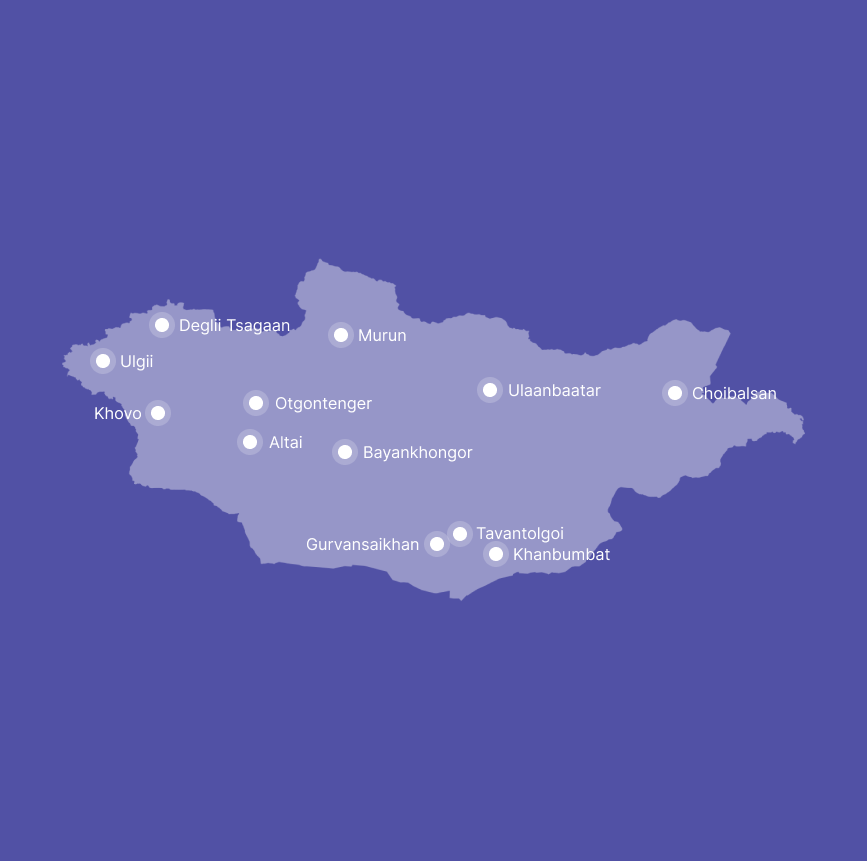
Hubs and shipping methods
Ulaanbaatar (Chinggis Khaan Airport)
Air freight available
Zamiin-Uud
Rail and road freight available
Altanbulag
Road and rail freight available
Gashuunsukhait (South Gobi)
Road freight available
Erenhot-Zamiin-Uud corridor
Rail transshipment route
Tianjin to Mongolia rail route
Indirect sea connection via China
Western border crossings
Overland freight available
Regional inland depots
Final mile delivery
Transit time per destination
| From | To | Est. transit time |
|---|---|---|
| Los Angeles, United States | Ulaanbaatar, Mongolia | 35-50 days |
| New York City, United States | Ulaanbaatar, Mongolia | 49-61 days |
| Shanghai, China | Ulaanbaatar, Mongolia | 10-14 days |
| Incheon (Seoul), South Korea | Ulaanbaatar, Mongolia | 12-18 days |
Door-to-door relocation
Swift Cargo Solutions offers a full door to door moving service to Mongolia. From packing your goods to delivering and unpacking them in your new home, we manage each step of the relocation process.
1. Packing and loading
We offer professional packing services to keep items safe during international and inland transport to Mongolia. Common packing materials include:
- Packing boxes
Available in different sizes and built to protect standard household items during air, rail, or road shipping. - Bubble wrap
Used for fragile items such as glassware, ceramics, and electronics to reduce the risk of damage in transit. - Wooden crates
Ideal for large or sensitive items. They provide strong protection for multi leg routes and careful handling during border or rail transfers.
Full Packing Service: Do not want to pack yourself? No problem. We can pack all types of goods, including furniture and oversized items. Fill out the contact form and a consultant will help organise your packing needs.
2. Pickup
Our agents collect your packed goods from your home or warehouse. Movements are tracked and documented so your shipment stays secure throughout international and inland legs.
3. Customs clearance
We manage the customs process for Mongolia. See the Customs section above for required documents, declarations, and inspection details.
4. Delivery and unloading
Once your shipment arrives in Mongolia and clears customs, we deliver it directly to your home. We unload all boxes at your doorstep.
5. Unpacking and setup
We also offer unpacking services. We place your goods where you want them, so your home is ready to use on arrival.
Support team
You work with one specialist from first quote to delivery confirmation. The same person tracks your shipment, manages documentation, and coordinates customs, so you are not passed between teams or repeating the same details.
Your specialist coordinates the inventory and Passenger Customs Declaration, monitors the China corridor and border-crossing stages where Mongolia shipments most often slow, and flags inspection or rail-scheduling issues before they delay release.
You get clear updates at each stage, including transport status, border and customs progress, and inland delivery timing. When you have a question, the same specialist replies.
Talk to an agent now
Import your vehicle
Bringing a car into Mongolia is possible, but it requires advance approval and compliance with local customs, tax, and safety rules.
What you need
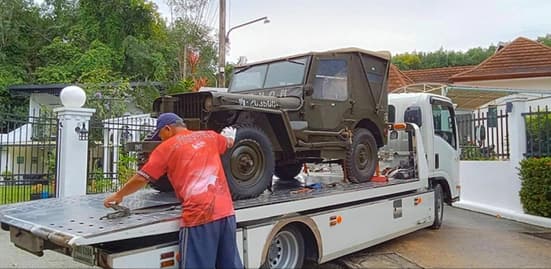
What you need
- Vehicle import approval – Apply before the car arrives
- Key documents – Passport, registration papers, transport document, sales invoice, and customs declaration
- Compliance – Your car must meet Mongolian safety and emissions requirements
Costs to expect
- Customs duty based on HS code
- Value added tax on imports
- Any excise or special taxes that apply to certain vehicles
Extra fees may apply for inspection, cleaning, or required modifications.
We Can Help - Swift Cargo Solutions handles the process from start to finish, including paperwork, transport, and customs clearance.
Import your pets
Mongolia controls pet entry through customs and veterinary rules. Only pets that meet health, vaccination, and import conditions are allowed. Requirements can change and may depend on your origin country, so confirm details before travel.
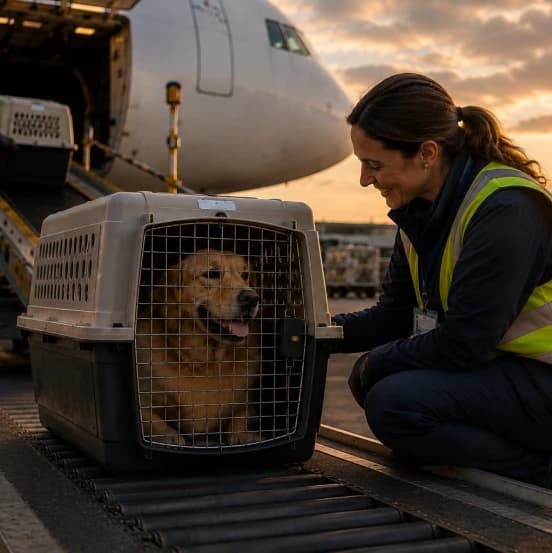
Key requirements
- Import Permit
We found no official Mongolian guide on whether a pet that travels with you needs an import permit, and the pet-travel guides we read disagree. Your specialist confirms the position with Mongolia's veterinary authority before you book. - Microchip & Vaccinations
Plan for a microchip and current rabies and core vaccines. Mongolia publishes no official timing, so your specialist confirms how far ahead of travel each one must be done. - Rabies Blood Test
The pet-travel guides we read disagree on whether a rabies titer test is required. Your specialist confirms before you book. - Quarantine
Quarantine rules may apply on arrival depending on species and origin. Confirm whether a government facility stay is required before you ship.
Eligibility by origin country
Banned dog breeds in Mongolia
Breed restrictions may apply in Mongolia. Confirm before travel:
- We found no official Mongolian list of restricted dog breeds, but do not assume there is none
- Confirm current import conditions with Mongolia's veterinary authority before booking
- Check airline rules separately, especially for snub-nosed or strong breeds
- Check landlord or building pet restrictions at your destination
- Get written confirmation before travel if your breed may attract extra scrutiny
We Can Help - From paperwork and vet checks to booking flights and any required quarantine. We make sure your pet arrives safely and legally.
Rated 5 stars by customers
What our customers say, Mongolia moves
About Mongolia
Shipping activity in Mongolia
Mongolia is a major inland logistics corridor between Russia and China. Most international cargo moves by rail or road through border crossings such as Zamiin-Uud, with air cargo centered on Ulaanbaatar.
National freight activity:
China corridor
route pattern most likely to shape timing for many Mongolia household-goods moves
Rail + border
operational layers that usually matter more than raw sea distance
Winter
season most likely to distort inland and border timing assumptions
Mongolia cost of living
Relocating to Mongolia can feel like a reset in how you budget day to day. Ulaanbaatar is the main cost center, with higher rents and more competition for well located housing than smaller cities or rural areas. If you are coming from a large global city, some costs may feel lower, but imported goods and modern apartments can be priced similarly to other capitals. Heating and winter related expenses are a meaningful part of household planning. Housing is usually the biggest adjustment, so compare neighborhoods carefully and allow time to find a good fit.
Utilities and internet costs vary. In winter, heating can increase monthly bills, especially in older buildings. Groceries are generally affordable for local staples, while imported food and household products cost more and are less predictable in price. Eating out ranges from budget cafes to higher priced international restaurants in central Ulaanbaatar. If you cook mostly at home and buy local produce, daily costs are easier to manage. If you rely on imported items, plan for higher spending and occasional stock gaps.
Transportation costs depend on where you live and work. Public buses are common in Ulaanbaatar, while taxis and private cars are widely used. Traffic and winter conditions can affect commute time, so location matters.
The upside is that many expats in Mongolia work in sectors with competitive packages. How far your income goes depends on your role, your benefits, and whether your housing or transport is supported by your employer.
Overall, moving to Mongolia can be very manageable with a clear budget. Housing and winter utilities are the biggest variables, while local food and services are often reasonable. Prepare for one time relocation costs such as deposits, household setup, and shipping related fees. Compare neighborhoods in Ulaanbaatar for commute time, heating quality, and access to services. With good preparation, Mongolia offers a comfortable lifestyle, strong community ties, and a unique mix of urban and wide open living.
Security in Mongolia
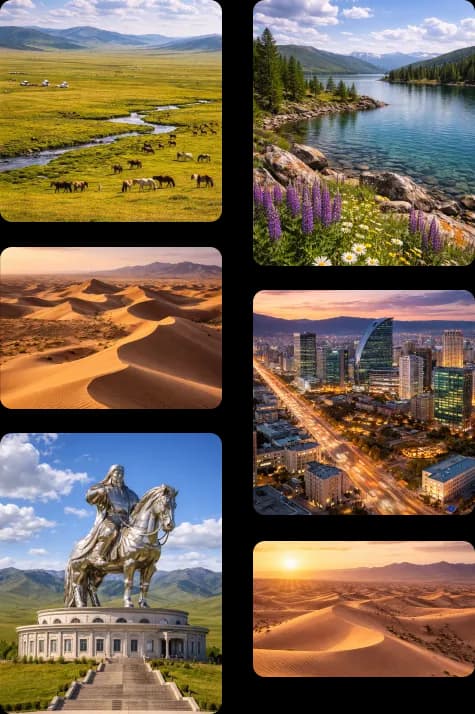
Security in Mongolia
Mongolia is generally considered a safe destination for expatriates. Like anywhere, safety levels vary by area, and busy urban zones can have more petty theft than residential neighborhoods.
Most expats report day to day life in Mongolia as safe and straightforward. The most common issues are minor, such as pickpocketing or small scams in crowded places. Violent crime against foreigners is uncommon, but it is sensible to stay aware at night and avoid carrying valuables openly.
It is still important to stay alert, especially in Ulaanbaatar where petty theft is more likely. Choose a secure apartment or neighborhood, lock your home and vehicle, and use basic safety habits when commuting. With preparation and awareness, you can enjoy a safe and comfortable life in Mongolia.
Infrastructure and public services in Mongolia
Mongolia offers a mix of public and private services, with the strongest concentration in Ulaanbaatar. Education includes public schools, international schools, and private options. Quality and language of instruction vary, so families often compare curricula, commute times, and class sizes before choosing a school.
Healthcare in Mongolia includes public hospitals and a growing number of private clinics. Urban areas offer broader services and more specialist care, while smaller towns may have more limited options. Many expats use private providers for routine care and rely on public hospitals for emergencies.
Public services are most accessible in Ulaanbaatar and provincial centers. Rural and remote regions can require longer travel to reach hospitals, government offices, or specialized services. Planning for distance and seasonal weather is part of living outside the capital.
For many newcomers, Mongolia feels straightforward once you choose where to live. The capital offers the most complete set of schools, clinics, and public services, while regional areas provide a quieter lifestyle with fewer specialized options. If you need specific education programs or medical specialists, living near central Ulaanbaatar can make daily access easier.
Frequently asked questions
Shipping times to Mongolia depend on the origin country, the route used, the transport mode, and whether the shipment clears cleanly through the corridor and border stages.
- Air freight: Usually the fastest option and can be arranged door to door, including customs clearance and local delivery.
- Overland or indirect sea routes: Cargo often moves via China and then by rail or road into Mongolia, so timing varies with border capacity, rail scheduling, and inspections.
Peak periods on the China-Mongolia corridor and winter conditions can slow processing, so the right estimate is route specific rather than generic.
Yes. Mongolia prohibits some items outright and restricts others. Prohibited examples include narcotics and certain hazardous materials. Restricted items such as weapons, radio or communications devices, some medicines, cultural property, and live animals may need permits. If you are unsure about an item, ask before packing. We will help you check the Customs General Administration of Mongolia list and confirm what documentation is required.
If you also travel with luggage, Mongolia's traveller rules let you bring up to 2 litres of spirits, 2 litres of wine, 3 litres of beer, 200 cigarettes, 50 cigars or leaf-tobacco pieces and 250 g of loose tobacco without customs duty or other taxes. These allowances do not apply to travellers under 21 or to those returning within 24 hours of leaving. Cash above MNT 15 million, or the equivalent in foreign currency, financial instruments or electronic money, goes on the written Traveller's Customs Declaration, as does cargo you send separately from your luggage (Customs Administration Order A/223, Annex 1, clauses 2.3.1, 2.4 and 5.5).
Checklist for your Mongolia relocation
Checklist for your Mongolia relocation
Fill out the form with details about your move.
Receive custom quotes within 48 hours.
Choose the option that suits you best, and let our agents guide you through the process.
Request the required documentation to prepare for your arrival in Mongolia.
Track your shipment with our agents and receive updates at every step
(If necessary) Provide additional details to speed up customs clearance.
Move into your new home while we take care of delivering your goods.
Plan your Mongolia move around customs, border timing, and realistic delivery schedules
Receive a personalised quote and shipment plan within a day.
Get a quote