
뉴질랜드로 생활용품 보내기
뉴질랜드 세관 규정과 MPI 바이오시큐리티 검사를 기준으로 이사를 설계해요.
뉴질랜드 이사를 준비 중이신가요?
뉴질랜드 이사 핵심 정리: 통관, 바이오시큐리티, 면세 조건
이 페이지는 뉴질랜드로 중고 가재도구와 개인물품을 보내는 분들을 위한 안내예요.
뉴질랜드 세관에 따르면 거주 자격을 인정하는 서류가 있고 첫 정착이거나 21개월 이상 해외 거주 후 귀환하는 경우, 출국 전 개인이 소유하고 사용한 중고 생활용품은 면세 대상이 될 수 있어요. 학생 비자 소지자는 대상이 아니에요.
새 물품이나 미사용 물품은 면세 대상이 아니에요. 차량, 스쿠터, 오토바이, 보트, 항공기, 상업용 물품도 제외돼요.
실제 병목은 MPI예요. 야외장비, 신발, 목재, 씨앗, 흙, 유기물 흔적이 있는 품목은 검사, 세척, 처리 또는 지연 대상이 될 수 있어요.
제대로 된 견적에는 출발지 포장, 운송, NZ 세관, MPI 검사 리스크, 터미널 비용, 최종 배송이 포함되어야 해요.
뉴질랜드는 통관 면제에 있어 비교적 명확하고, 바이오시큐리티에 있어서는 엄격해요. 이 두 가지 조합이 중요해요. 통관 측면은 소유권과 거주 사실이 명확하다면 대체로 처리 가능해요. 하지만 MPI 측면에서 예방 가능한 지연과 추가 비용이 발생하기 쉬워요.
실질적인 목표는 단순히 화물을 오클랜드나 크라이스트처치까지 운송하는 것이 아니에요. 세관 및 바이오시큐리티 담당자가 별도로 추측하지 않아도 이해할 수 있는 서류와 화물 프로파일을 제출하는 것이에요.
아래 섹션에서 이를 실행 계획으로 구체화해요: 면제 자격이 되는 사람, 추가 검사를 유발하는 물품, 주요 관문 비교, 그리고 비용이 발생하기 시작하는 지점까지 다뤄요.
수입 진행 방식
뉴질랜드 이사는 화물이 출발하기 전에 면세 자격, MPI 리스크, 적절한 게이트웨이를 먼저 설계해요.
뉴질랜드 운송 성수기
일정에 여유가 있다면 가장 바쁜 이사 시즌을 피하고, 세관 및 MPI 검사를 위한 충분한 여유를 두고 예약하세요:
- 11월~1월
여름 이사, 명절 화물, 연말 물량 증가로 선적 공간이 줄어들고 배송 지연 위험이 높아져요. - 1월~2월
신학기 개학과 명절 이후 이사로 창고와 현지 배송팀이 바빠져요. - 7월~8월
겨울 날씨와 환적 불안정으로 일부 해상 경로에서 일정 지연이 생길 수 있어요. - 입주 날짜 직전 어떤 시기든
뉴질랜드에서는 도착일, 입주일, 통관 타이밍이 맞지 않으면 보관 및 재배송 비용이 빠르게 늘어나요.
뉴질랜드 세관 이해하기
뉴질랜드 생활용품 통관에는 두 가지 별도 단계가 있어요: 뉴질랜드 세관 면제 자격과 1차산업부(MPI) 바이오시큐리티 관리예요. 둘 중 하나가 아니라 두 가지 모두 충족해야 해요.
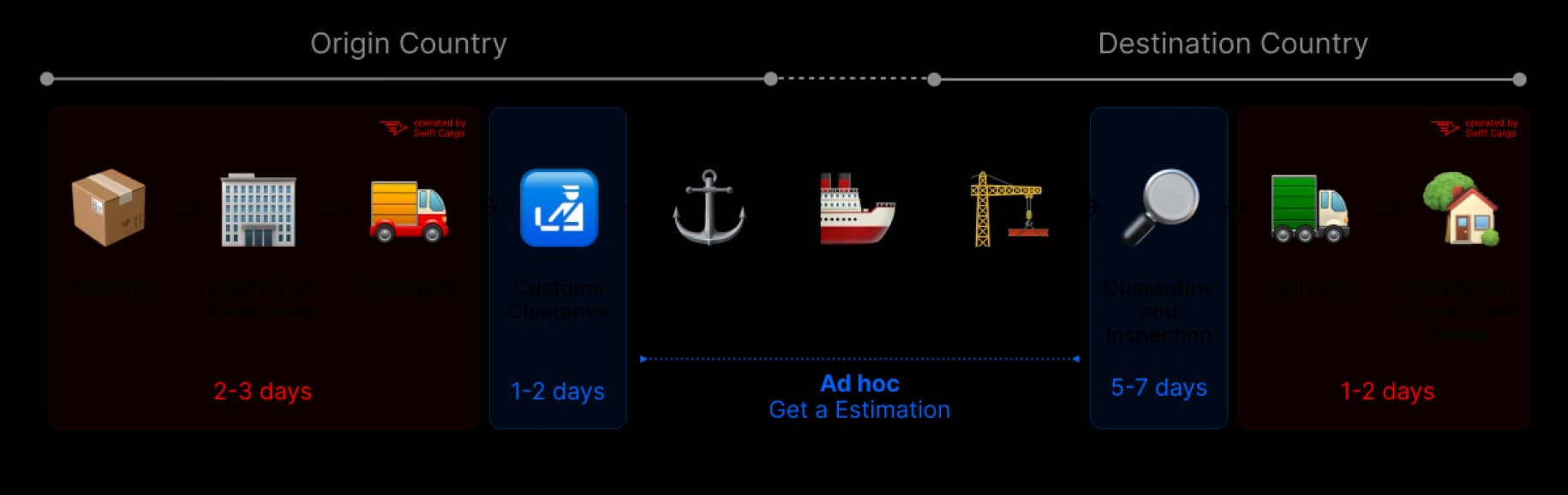
뉴질랜드 생활용품 수입에 필요한 서류
뉴질랜드 생활용품 서류에는 일반적으로 다음이 포함돼요:
- 해상 선하증권 또는 항공 화물 운송장 — 수하인 및 화물 정보와 일치해야 해요
- 여권 사본 및 면제 자격을 뒷받침하는 비자 또는 거주 서류
- 처음 뉴질랜드로 이주하거나 해외에서 충분한 기간 거주 후 귀환함을 증명하는 서류 — 면제를 신청할 경우 필요해요
- 상세 포장 목록 — 각 상자나 패키지에 들어 있는 물품 목록
- 출발 전 개인 소유 및 사용 사실을 증명하는 서류 — 세관 요청 시 제출해요
- NZCS 218 신고서(Unaccompanied Personal Baggage Declaration, 비동반 개인 수하물 신고서)와 MPI Supplementary Biosecurity Declaration(MPI 보충 바이오시큐리티 신고서), 그리고 통관 대행인이 요구하는 위임장. 통관 신청은 물품이 도착하기 전에 하거나 도착 후 20일 이내에 해야 해요
- 뉴질랜드 배송지 주소 및 현지 연락처
MPI 바이오시큐리티 및 잠재적 지연
MPI는 오염되거나 청결하지 않은 일상 생활용품에 대해 개입할 수 있어요. 위험도가 가장 높은 품목은 다음과 같아요:
- 흙, 씨앗, 유기물 흔적이 있는 신발, 하이킹 부츠, 텐트, 캠핑 용품, 골프 클럽, 자전거, 야외 스포츠 장비
- 정원 도구, 잔디 관리 장비, 야외 가구, 바비큐 그릴, 차고 물품
- 목재 제품, 천연 섬유, 동물성 소재, 미처리 식물성 소재로 만든 물품
- 식품, 향신료, 씨앗, 건강보조식품, 약용 식물 제품, 농업용 물품
- 반려동물 용품, 안장류, 케이지, 승마 장비, 토양이나 동물과 접촉한 물품
동반 화물 및 비동반 화물 모두 해당돼요
뉴질랜드 세관에 따르면, 개인 효과 화물이 도착할 때 반드시 뉴질랜드에 있을 필요는 없어요. 중요한 것은 화물이 처리될 때 면제 요건과 통관 서류가 제대로 갖춰져 있는지예요.
뉴질랜드로 반입할 수 있는 물품

개인 소지품

중고 의류

가전제품

깨지기 쉬운 물품

고가품

가구 및 대형 물품

초과 수하물

반려동물
개·고양이는 수입 허가와 최소 10일 검역 필요. 요건을 충족한 호주발 항공편 도착 동물은 면제

차량
인증 및 검사, 대개 우핸들 차량만
뉴질랜드 반입 제한 품목

식물, 씨앗, 흙, 미처리 목재, 천연 섬유

식품, 건강보조식품, 농업용 및 동물성 물품

주류, 담배, 특별소비세 부과 제품

의약품, 향정신성 약물, 건강 관련 제품

무기, 총기, 규제 장비

상아
허가 필요, 가죽과 산호 포함
최소 및 최대 화물 규모
저희는 소포 배송보다 생활용품 이사에 강해요:
- 최소 화물: 박스 6개
이 정도가 통관 조율, 운송 계획, 최종 배송까지 전체 이사 워크플로를 진행할 수 있는 최소 규모예요.
- 최대 제한 없음
인벤토리와 통관 전략이 탄탄하면 아파트 이사, 가족 전체 이사, 복수 컨테이너 이사도 처리할 수 있어요.
뉴질랜드에서는 화물 규모가 아니라, 물품이 세관 및 MPI 심사에서 합리적인 개인 효과로 인정받을 수 있는지가 더 중요해요.
공식 세관 및 바이오시큐리티 안내
유용한 연락처

뉴질랜드 수입 시 세금 및 관세
뉴질랜드는 면제 요건을 충족하는 진정한 중고 생활용품에는 매우 유리할 수 있지만, 그 범위를 벗어나는 물품에는 명확하게 과세해요. 차이는 소유 여부, 사전 사용 여부, 이민 신분, 그리고 해당 물품이 면제 대상에서 제외되는지에 따라 결정돼요.
뉴질랜드 수입 물품 일반 규정
- 뉴질랜드 생활용품 면제 자격이 있는 경우, 대부분의 중고 생활용품은 GST와 관세 없이 반입할 수 있어요.
- 새 물품과 미사용 물품은 자격이 없으며, 관세와 GST가 적용돼요.
- 차량, 스쿠터, 오토바이, 보트, 항공기, 상업용 물품은 생활용품 면제에서 제외돼요.
면제 조건
- 처음 뉴질랜드로 이주하는 경우, 물품을 수입하는 시점에 거주 자격을 인정하는 서류가 있으면 대부분의 중고 생활용품에 대해 면제 혜택을 받을 수 있어요. 인정되는 서류는 뉴질랜드 또는 호주 여권, 유효한 뉴질랜드 거주 비자(또는 귀환 거주자 비자), 유효한 호주 영주 비자, 12개월 이상 발급된 취업 비자(또는 Work to Residence, Long Term Business 카테고리 비자), 3년 이상 발급된 방문 비자예요. 방문당 최대 6개월까지 여러 번 입국할 수 있는 방문 비자는 제외돼요. 학생 비자 소지자는 대상이 아니지만, 책상, 교재, 컴퓨터처럼 학업에 필요한 물품은 가져올 수 있어요.
- 귀국하는 영주권자의 경우, 21개월 이상 뉴질랜드를 떠나 있었고, 거주 자격을 인정하는 서류(뉴질랜드 여권 포함)가 있으며, 소유 및 사용 요건을 충족하면 면제 자격이 될 수 있어요.
- 뉴질랜드 도착 후 5년이 지나 물품을 수입하는 경우, 세관 담당자의 동의가 있어야만 면제 혜택을 받을 수 있어요.
면제를 받더라도 발생하는 비용
세관 면제 자격이 있더라도 실제로 발생하는 비용이 있어요:
- 세관·MPI 물품 부과금(Goods Levy), 화물 1건당 부과(2026년 4월 1일부터): 신고 가액 NZ$1,000 초과 시 해상 NZ$118.44, 항공 NZ$51.81, NZ$1,000 이하 시 해상 NZ$2.09, 항공 NZ$2.21(모두 GST 별도)
- 바이오시큐리티 개입이 필요한 경우 MPI 검사, 세척, 처리 또는 보관 비용
- 세금 면제 외에 발생하는 항만, 터미널, 적출, 배송, 필요시 보관 비용
뉴질랜드 생활용품 면제는 중고 개인 물품에는 관대하지만, 모든 물품의 무관세 수입을 보장하는 규정은 아니에요. 새 물품, 제외 차량, 바이오시큐리티 위험 품목은 여전히 비용이 빠르게 늘어날 수 있어요.
그래서 뉴질랜드 도착 비용 계획은 GST와 관세 면제 여부만이 아니라, 검사 위험과 면제 제외 물품에 초점을 맞춰야 해요.
화물 보험
국경을 넘어 생활용품을 수입하는 데는 항상 어느 정도의 위험이 따라요. 그래서 뉴질랜드로 개인 효과와 귀중품을 운송할 때는 화물 보험을 강력히 권장해요.
화물 보험이 필요한 이유
해상 또는 항공으로 생활용품을 운송하면 국제 운송 및 취급 과정에서 다양한 위험에 노출될 수 있어요.
- 해상 또는 항공 운송 중 악천후
- 항만, 터미널, 창고에서의 부적절한 보관 또는 취급
- 통관 시 필요한 훈증 또는 격리 처리
- 운송 중 우발적 분실, 파손 또는 손상
보장 범위
보장 범위는 보험사와 약관에 따라 다를 수 있어요. 대부분의 생활용품 수입 화물 보험에는 다음이 포함돼요:
- 해상 또는 항공 국제 운송 중 보호
- 화재, 도난, 습기 손상 등 특정 위험 보장
- 신고 화물 가치에 따른 보험 한도, 면책 조항, 조건
보장을 확정하기 전에 브로커나 보험사와 함께 약관, 면책 사항, 신고 가액을 반드시 꼼꼼히 검토해요.
Swift Cargo를 통한 보험 가입 방법
뉴질랜드 화물 보험은 다음을 통해 가입할 수 있어요:
- 해상 또는 화물 보험을 제공하는 일반 보험사
- 전문 화물 또는 이사 보험 브로커
- 거래 은행 또는 금융 기관 (가능한 경우)
- Swift Cargo 자체 화물 보험 프로그램.
참고: 저희 보험료는 신고 화물 가치의 3%예요.
뉴질랜드 이사를 위한 비자 및 거주 자격 안내
이민 신분이 중요한 이유는 통관 면제가 막연한 계획이 아닌 실제 이사라는 사실 관계에 연결되어 있기 때문이에요. 화물을 출발시키기 전에 이민 측면부터 명확히 하세요.
주요 비자 유형
이사와 가장 관련이 많은 뉴질랜드 이민 카테고리는 다음과 같아요:

방문 비자
단기 방문은 일반적으로 생활용품 전체 이사의 근거로는 적합하지 않아요.
취업 비자
2023년부터 고용주 인증 취업 비자(AEWV)가 뉴질랜드 주요 기술직 취업 비자예요. 워킹 홀리데이 비자(WHV)는 단기 체류이며 전체 생활용품 이사의 통관 근거로는 일반적으로 약해요.
학생 비자
고등 교육 또는 공인 훈련과 연계된 학업 카테고리예요. 학생 비자 소지자는 학업에 필요한 물품을 제외하면 생활용품 면제 대상이 아니에요.
영주권 및 가족 비자
장기 이주를 지원하는 영주권, 파트너, 가족 기반 신분이에요.
참고: 화물 운송 타이밍을 신청 예정 결과가 아닌 명확한 비자 또는 거주 자격에 맞춰 계획하세요.
뉴질랜드 이민부와 브로커를 함께 활용해 세관 서류와 이민 서류가 같은 내용을 담을 수 있도록 해요.
뉴질랜드 주요 수입 관문
뉴질랜드 생활용품 이사는 대부분 해상 및 항공 화물 모두 오클랜드를 중심으로 계획되며, 목적지와 선박 운항 패턴에 따라 타우랑가, 리틀턴, 웰링턴 또는 크라이스트처치를 통한 보조 경로도 활용돼요.
주요 항만 및 공항
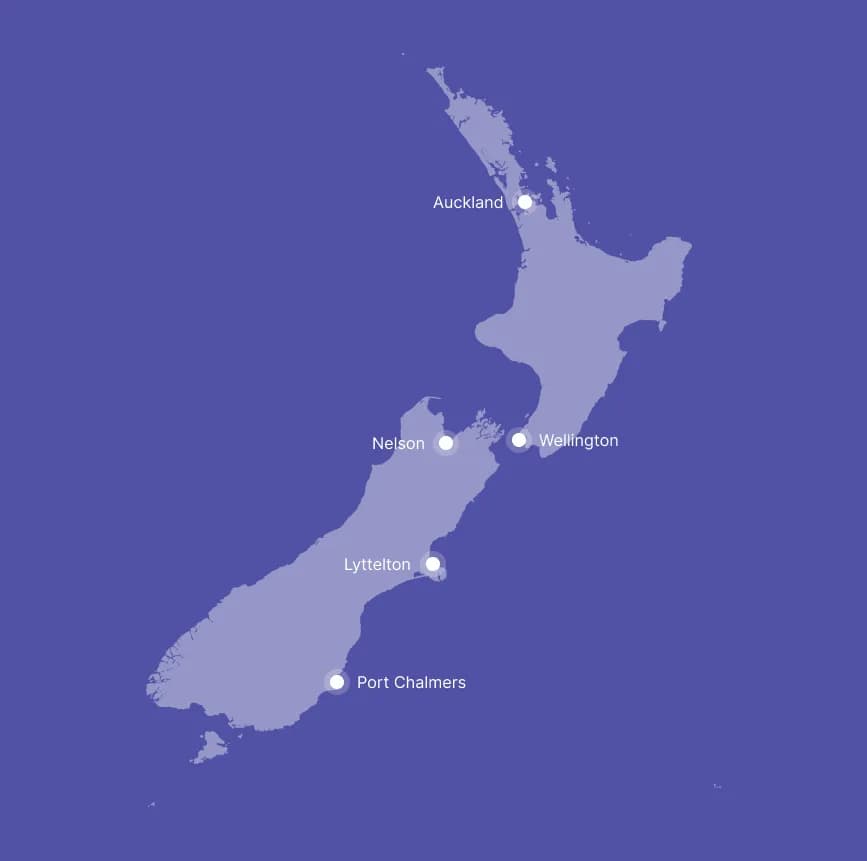
주요 항만 및 공항
- 오클랜드 항만 — 북섬 생활용품 화물의 주요 관문
- 타우랑가 항만 — 특정 해상 경로 및 내륙 유통을 위한 주요 화물 옵션
- 리틀턴 항만 — 크라이스트처치 지역 배송을 위한 중요한 남섬 입항지
- 웰링턴 항만 — 뉴질랜드 중부 경로의 보조 옵션
- 오클랜드 국제공항 (AKL) — 긴급 개인 효과를 위한 주요 항공 화물 관문
- 크라이스트처치 국제공항 (CHC) — 남섬 배송을 위한 보조 항공 옵션
글로벌 경로별 운송 시간
| 출발지 | 목적지 | 예상 운송 시간 |
|---|---|---|
| London, United Kingdom | Auckland, New Zealand | 45-55 days |
| New York City, United States | Auckland, New Zealand | 35-45 days |
| Los Angeles, United States | Auckland, New Zealand | 25-35 days |
| Singapore | Auckland, New Zealand | 18-25 days |
| Shanghai, China | Auckland, New Zealand | 22-30 days |
| Sydney, Australia | Auckland, New Zealand | 10-16 days |
| Bangkok | Auckland, New Zealand | 20-28 days |
| Tokyo, Japan | Auckland, New Zealand | 18-24 days |
Swift Cargo 도어투도어 이사 서비스
1999년 이래로, 저희는 뉴질랜드 이사를 물류 프로젝트보다 통관·바이오시큐리티 프로젝트로 먼저 접근해 왔어요. 인벤토리와 화물의 청결함이 그만큼 중요한 나라에서는 이 순서가 맞아요.
1. 생활용품 포장
물리적 보호와 바이오시큐리티 가독성을 모두 고려해 포장해요:
- 포장 박스
책, 의류, 주방용품, 일반 생활용품에 사용해요. - 보호 포장재
깨지기 쉬운 물품, 전자기기, 파손 위험이 높은 물품에 사용해요. - MPI 민감 물품 별도 준비
야외, 목재, 동물성, 흙 위험 물품을 미리 분류해 목적지에서 문제가 되지 않도록 해요.
2. 출발지 픽업
물품을 수거하고, 실제 적재 물품과 인벤토리를 대조 확인하며, MPI 또는 세관 추가 처리 가능성이 있는 물품을 별도 분리해요.
3. 해상 또는 항공 운송 및 뉴질랜드 통관
주요 운송 구간을 조율하고, 세관 및 MPI를 위한 서류를 준비하며, 화물 도착 전에 통관 계획 순서를 정해요.
4. 새 거주지 배송
화물이 반출되면 뉴질랜드 주소로의 배송, 하역, 인계를 처리해요.
5. 선택적 개봉 및 정리 서비스
풀서비스 이사의 경우, 최종 반출부터 생활 가능한 상태까지 걸리는 시간을 줄이는 데 도움을 드려요.
지원 팀
Swift Cargo의 지원 방식은 화물마다 한 명의 담당자를 배정하는 것을 기본으로 해요. 고객님의 화물, 통관 상황, 일정을 파악하고 있는 물류 전문가 한 명과 함께 진행해요. 여러 상담원에게 넘겨지며 상황을 매번 다시 설명할 필요가 없어요.
그 전문가가 포장 조율, 운송 예약, 통관 신고, 배송 순서까지 하나의 흐름으로 관리해요. 각 단계마다 명확한 진행 상황을 안내받고, 궁금한 점이 생기면 누구에게 연락해야 하는지 항상 알 수 있어요.
특히 뉴질랜드 이사는 화물이 출발지를 떠나기 전에 바이오시큐리티와 통관 준비가 이루어져요. 도착 후가 아니에요. 이 준비 과정도 담당 전문가의 역할에 포함돼요. 예약과 배송 사이에 상황이 바뀌더라도 같은 전문가가 계속 처리해요.
지금 바로 상담하기
뉴질랜드 차량 수입
뉴질랜드로의 차량 수입은 일반 생활용품 면제에 포함되지 않아요. 개인 차량에는 별도의 세관 면제(NZCS 80c 서식)가 있어요. 뉴질랜드 밖에서 21개월 넘게 거주했고, 거주 자격을 인정하는 서류가 있으며, 뉴질랜드로 출발한 날과 선적을 위해 차량을 넘긴 날 중 더 이른 날을 기준으로 최소 1년 전부터 해외에서 직접 소유하고 사용했다면 관세와 GST 없이 들여올 수 있어요. 선물, 판매나 교환 목적, 상업용, 회사 소유, 임대 또는 리스 차량은 대상이 아니에요. 차량이 소유자보다 먼저 도착하면 차량 도착일부터 6개월 이내에 입국한다는 점을 증명해야 해요. 차량은 NZTA, MPI, 세관과 관련된 별도의 적법성 경로도 따르며, 독립적인 의사 결정 과정이 필요해요.
차량 수입 필수 사항
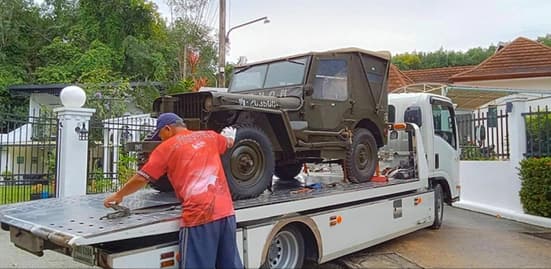
차량 수입 필수 사항
- 차량 소유권 및 수입 서류
등록증, 운송 서류, 가치 증빙, 수입자 신원 서류가 필요해요. - NZTA 적합성 경로
뉴질랜드로 수입된 중고 차량은 도로 등록 전에 관련 차량 기준을 충족해야 해요. NZTA의 이민자 차량(immigrant's vehicle) 경로를 이용하려면 뉴질랜드 밖에서 최소 21개월 거주했고, 해외에서 최소 1년간 직접 소유하며 등록했어야 하고, 도착 후 18개월 이내에 신청해야 해요. 뉴질랜드에서 처음 등록한 날부터 최소 1년 동안은 차량을 판매하거나 임대할 수 없어요. 이 차량은 일부 차량 기준은 면제되지만 전부는 아니에요. 좌핸들 차량은 NZTA가 정한 소수의 카테고리에서만 등록할 수 있으니, 선적 전에 담당 전문가와 운전석 위치를 확인하세요. - MPI 청결 및 썩덩나무노린재 요건
차량과 기계류는 바이오시큐리티 고위험 품목으로 검사 및 세척이 필요할 수 있고, 관련 비용은 직접 부담해야 해요. 썩덩나무노린재(BMSB) 시즌(9월 1일~4월 30일)에 MPI 목록에 있는 위험 국가에서 수출하는 차량, 기계류, 부품은 보통 선적 전에 MPI가 승인한 처리를 받고 처리 증명서를 갖춰야 해요. 기준은 수출일과 도착일 모두에 따라 달라져요. 현재 대상 국가 목록과 정확한 기준일은 예약 전에 담당 전문가가 확인해요.
예상 비용
- 운임 및 취급 비용
RoRo 또는 컨테이너 운송, 터미널 취급, 현지 배송 비용이에요. - 적합성 비용
NZTA 규정에 따른 검사, 인증, 개조, 등록 비용이에요. - MPI 세척 또는 처리 비용
오염 위험이 있는 경우 처리 비용이 상당할 수 있어요. 썩덩나무노린재 위험 국가에서 시즌(9월 1일~4월 30일) 중 출발하면 선적 전 현지 처리 비용이 추가돼요.
뉴질랜드 생활용품 면제는 이사의 차량 부분을 자동으로 해결하지 않아요. 차량과 오토바이는 별도의 도착 비용 프로젝트로 취급하세요.
저희가 도와드릴 수 있어요: Swift Cargo는 운송 및 서류 부분을 조율할 수 있지만, 전체 도착 비용과 적합성 비용을 뉴질랜드 현지 구매 비용과 비교하는 것이 종종 최선의 방법이에요.
반려동물과 함께 뉴질랜드로 이사하기
뉴질랜드는 지역 내에서 비교적 엄격한 반려동물 입국 제도를 운영해요. 핵심 쟁점은 국가별 입국 자격, 마이크로칩 신원 확인, 광견병 및 건강 관련 일정, 허가 및 수출 전 절차의 적절한 처리 여부예요.

반려동물 뉴질랜드 수입 주요 요건:
- 사전 자격 및 허가 확인
운송을 예약하기 전에 출발 국가, 동물 종, 견종이 입국 자격에 해당하는지 확인하세요. 뉴질랜드는 Brazilian Fila, Dogo Argentino, Japanese Tosa, Perro de Presa Canario와 American Pit Bull Terrier 유형, 이렇게 5개 견종·유형을 수입할 수 없어요. 이 견종이나 유형의 혈통이 전부이거나 대부분인 개도 포함돼요. 요건을 갖춘 반려동물이 호주에서 항공으로 도착하면 허가나 격리 없이 국경에서 통관돼요. 그 밖의 입국 가능 국가에서 오는 반려동물은 MPI 수입 허가가 필요하고, MPI는 최소 8주 전에 신청하라고 안내해요. 또 MPI 승인 격리 시설에서 최소 10일간 머물러야 해요. 출발 국가에 적용되는 규정은 담당 전문가가 확인해요. - 마이크로칩 및 예방접종 준수
신원과 건강 기록이 뉴질랜드 수입 요건과 정확히 일치해야 해요. - 공식 수의사 서류와 일정
건강 증명서와 필요한 검사는 지정된 시간 내에 준비해야 하고, 그 기간은 도착일이 아니라 반려동물의 선적일부터 거꾸로 계산해요. 출발 국가에 따라 공식 수의사가 선적 최소 6개월 전에 마이크로칩을 확인해야 하거나, 광견병 중화항체가 검사(RNATT) 시료를 선적 3~12개월 전에 채취해야 해요. MPI의 Import Health Standard: Cats and Dogs 2026(고양이·개 수입 위생 기준)은 2026년 7월 1일에 시행됐어요. 2027년 4월 1일까지는 2021년 기준으로 요건을 충족해도 되지만, 그 이후에는 2026년 기준만 적용돼요. 어느 기준과 날짜가 반려동물에게 적용되는지는 담당 전문가가 확인해요. - 항공사 및 목적지 조율
반려동물 입국은 승인된 경로 및 도착 검사 요건에 맞춰 계획해야 해요.
고객 평점 4.87
Swift Cargo로 생활용품을 이사한 고객의 인증된 후기:
뉴질랜드 이사를 위한 준비
뉴질랜드는 가족, 숙련 노동자, 귀환 영주권자, 학생, 라이프스타일 이주자 등 다양한 사람들을 끌어들이지만, 실질적인 이사 프로파일은 대부분의 저마찰 목적지와 달라요. 이사는 꿈에 관한 것이 아닌 경우가 많아요. 타이밍, 규정 준수, 그리고 성공적인 정착에 관한 것이에요.
그래서 경쟁력 있는 뉴질랜드 이사 안내는 일반적인 이사 언어 이상을 담아야 해요. 사람들은 보통 통관 자격, MPI 바이오시큐리티 위험, 차량 복잡성, 학교 타이밍, 오클랜드와 남섬 경로 중 어느 것이 계획을 바꾸는지를 해결하려고 해요.
제대로 계획하면 뉴질랜드는 충분히 관리 가능한 나라예요. 서류는 구조화되어 있고, 물류 네트워크는 탄탄하며, 화물 프로파일이 정직하고 잘 준비된 경우 규정은 충분히 명확해요.
21개월
귀환 영주권자 면제 신청에 중요한 해외 체류 기간
NZ$1,000
더 높은 세관·MPI 물품 부과금이 적용되는 신고 가액 기준(2026년 4월 1일부터)
2단계
통관 면제와 MPI 바이오시큐리티 둘 다 통관 결과에 영향을 미쳐요
뉴질랜드 생활비 이해하기
주거, 보증금, 초기 정착 비용이 포함되면 뉴질랜드는 저렴한 이사지가 되는 경우가 드물어요. 주요 압박 요인은 보통 임대료나 주택 담보 대출 부담, 공과금, 그리고 수입품이나 프리미엄 상품의 일반 가격이에요.
오클랜드는 보통 가장 큰 예산 충격을 주지만, 지역 중심지들도 월간 지출이 쉬워 보여도 이사에 차량, 학교 배정, 또는 긴 내륙 배송이 포함되면 여전히 높은 초기 정착 비용이 들어요. 여기서는 라이프스타일 마케팅보다 비용 계획이 더 중요해요.
이사 예산에서 첫 해 총비용이 월간 숫자보다 더 중요해요. 운송비, 임시 숙박비, 가구 부족분, 교통 준비 비용이 이사 경제성을 크게 바꿀 수 있어요.
뉴질랜드의 안전과 생활 위험

뉴질랜드의 안전과 생활 위험
뉴질랜드는 OECD 기준으로 안전한 곳으로 일반적으로 평가받으며, 이는 가족들이 장거리 이사를 편안하게 할 수 있도록 도와요.
더 현실적인 이사 위험은 극적인 범죄 위험이 아니에요. 주거 압박, 보험 비용, 기상 이변, 그리고 도착 후 정착의 운영 측면을 과소평가하는 것이에요.
이주자들에게 핵심은 간단해요: 뉴질랜드는 질서 있는 나라이지만 막연한 계획에는 관대하지 않아요. 좋은 물류 준비는 불균형적으로 큰 효과를 발휘해요.
인프라 및 서비스
뉴질랜드는 항만, 공항, 도로, 공과금, 일상 공공 서비스 면에서 운영적으로 강하지만, 인구 규모와 지리가 여전히 중요해요. 일부 지역은 일상은 쉬워도 배송과 서비스 접근성은 더 느리거나 비쌀 수 있어요.
이는 오클랜드, 웰링턴, 크라이스트처치, 소규모 목적지 간의 비용 및 타이밍 차이가 처음 이주하는 사람들이 예상하는 것보다 더 의미 있을 수 있어 이사에 중요해요.
자주 묻는 질문
자격이 되면 대부분 가능해요. 뉴질랜드 세관에 따르면, 거주 자격을 인정하는 서류(예: 거주 비자, 12개월 이상 발급된 취업 비자, 3년 이상 발급된 방문 비자)가 있고 처음 뉴질랜드로 이주하거나 21개월 이상 해외에 거주한 후 귀환하는 경우, 출발 전 개인적으로 소유하고 사용한 중고 생활용품은 면제 혜택을 받을 수 있어요. 학생 비자 소지자는 대상이 아니에요.
새 물품과 미사용 물품은 자격이 없어요.
MPI 바이오시큐리티가 보통 가장 큰 지연 원인이에요. 흙, 씨앗, 미처리 목재, 사용된 야외 장비, 오염된 것처럼 보이는 물품은 검사, 세척, 처리 또는 보관 대상이 될 수 있어요.
반드시 그럴 필요는 없어요. 뉴질랜드 세관에 따르면 개인 효과 화물이 도착할 때 반드시 뉴질랜드에 있지 않아도 되지만, 화물이 처리될 때 면제 및 통관 서류가 제대로 갖춰져 있어야 해요.
아니에요. 세관에 따르면 새 물품과 미사용 물품은 생활용품 면제 자격이 없으며, GST와 관세가 적용될 수 있어요.
아니에요. 차량, 스쿠터, 오토바이, 보트, 항공기, 상업용 물품은 생활용품 면제에서 제외돼요.
바이오시큐리티 단계예요. 뉴질랜드는 통관 면제에 비교적 명확하면서도 MPI 청결 및 오염 위험에는 엄격할 수 있어요. 그래서 사용된 야외용품이나 목재 물품은 더 많은 준비가 필요해요.
오클랜드가 대부분의 이사에서 주요 계획 허브예요. 경로와 최종 목적지에 따라 타우랑가, 리틀턴, 웰링턴, 크라이스트처치도 활용돼요.
세관과 MPI가 화물 1건마다 물품 부과금(Goods Levy)을 부과해요. 2026년 4월 1일부터 이 부과금이 기존 수입 신고 처리 수수료(Import Entry Transaction Fee)를 대체했어요. NZ$1,000 초과 화물은 해상 NZ$118.44, 항공 NZ$51.81(GST 별도)이고, NZ$1,000 이하 화물은 해상 NZ$2.09, 항공 NZ$2.21이에요. 이 밖에 MPI 검사, 세척, 처리, 보관, 터미널 및 배송 비용이 발생할 수 있어요.
대부분의 가족 이사에서는 해상 운송이 주요 수단이고, 항공은 필수품이나 긴급 물품에만 사용해요. 예산을 초과하지 않으면서 속도도 필요한 경우 혼합 모델이 일반적이에요.
많은 가족에게 그래요. 삶의 질 측면에서 강력한 이유가 있을 수 있지만, 주거, 통관 타이밍, 학교 계획, 첫해 비용을 현실적으로 처리할 때 이사가 가장 잘 이루어져요.
한국과 일본에서 뉴질랜드까지 해상 운송은 환적 포함 일반적으로 18~28일 소요돼요. 중국과 동남아시아에서는 보통 14~25일, 인도와 남아시아에서는 약 22~35일이 걸려요. 직항 서비스는 환적 경로보다 빠르지만 항상 이용 가능하지는 않아요. 통관 및 MPI 검사에 대한 여유 시간을 별도로 계획하는 것이 중요해요.
뉴질랜드 세관에 따르면 귀환 영주권자가 생활용품 면제 자격을 얻으려면 21개월 이상 뉴질랜드를 떠나 있어야 하며, 물품이 출발 전 개인 소유 및 사용한 것이어야 해요. 21개월은 도착일부터 거꾸로 계산하며, 짧은 휴가나 출장으로 뉴질랜드를 방문한 경우를 제외하고 그 기간 내내 뉴질랜드 밖에서 거주해야 해요. 세관은 21개월에 조금 못 미치는 경우를 허용한다고 밝히지 않으니, 그런 여지를 기대하고 계획하지 마세요. 출국한 지 21개월이 안 됐다면 관세와 GST가 부과될 수 있어요. 운송을 예약하기 전에 공인 통관 브로커와 정확한 상황을 확인하세요.
뉴질랜드 이사 체크리스트
뉴질랜드 이사 체크리스트
보낼 물품을 정리하고 새 물품, 야외장비, 목재, 바이오시큐리티 민감품을 구분해요.
면세 자격이 성립하는지 먼저 확인해요.
해상, 항공, 하이브리드 중 하나를 긴급도와 예산에 맞게 선택해요.
인벤토리, 여권, 운송서류, 위임장을 미리 준비해요.
MPI 검사를 고려해 일정 여유를 두고 입주일과 너무 촘촘히 맞추지 않아요.
세관·MPI·최종 배송까지 진행 상황을 추적해요.